


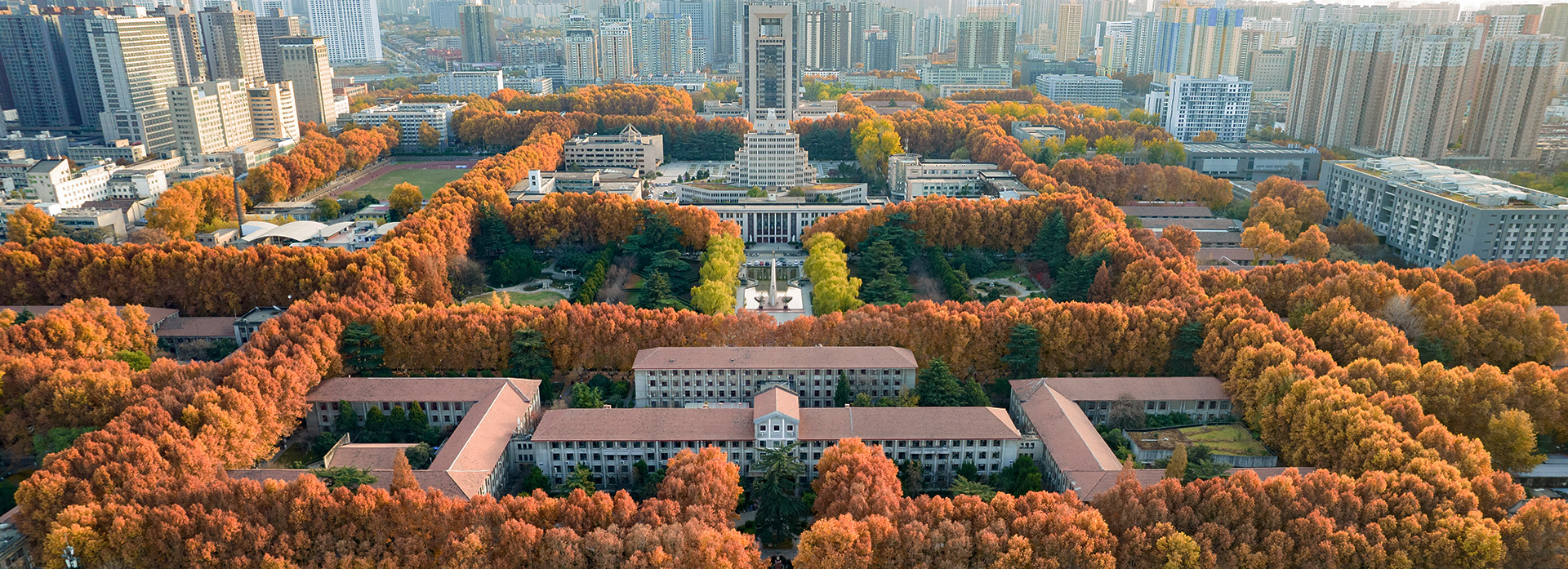

乔龙凯 等. 全球碳捕集研究领域30年(1992-2022)全领域文献分析:
核心子领域、发展趋势、热点分析、新兴方法
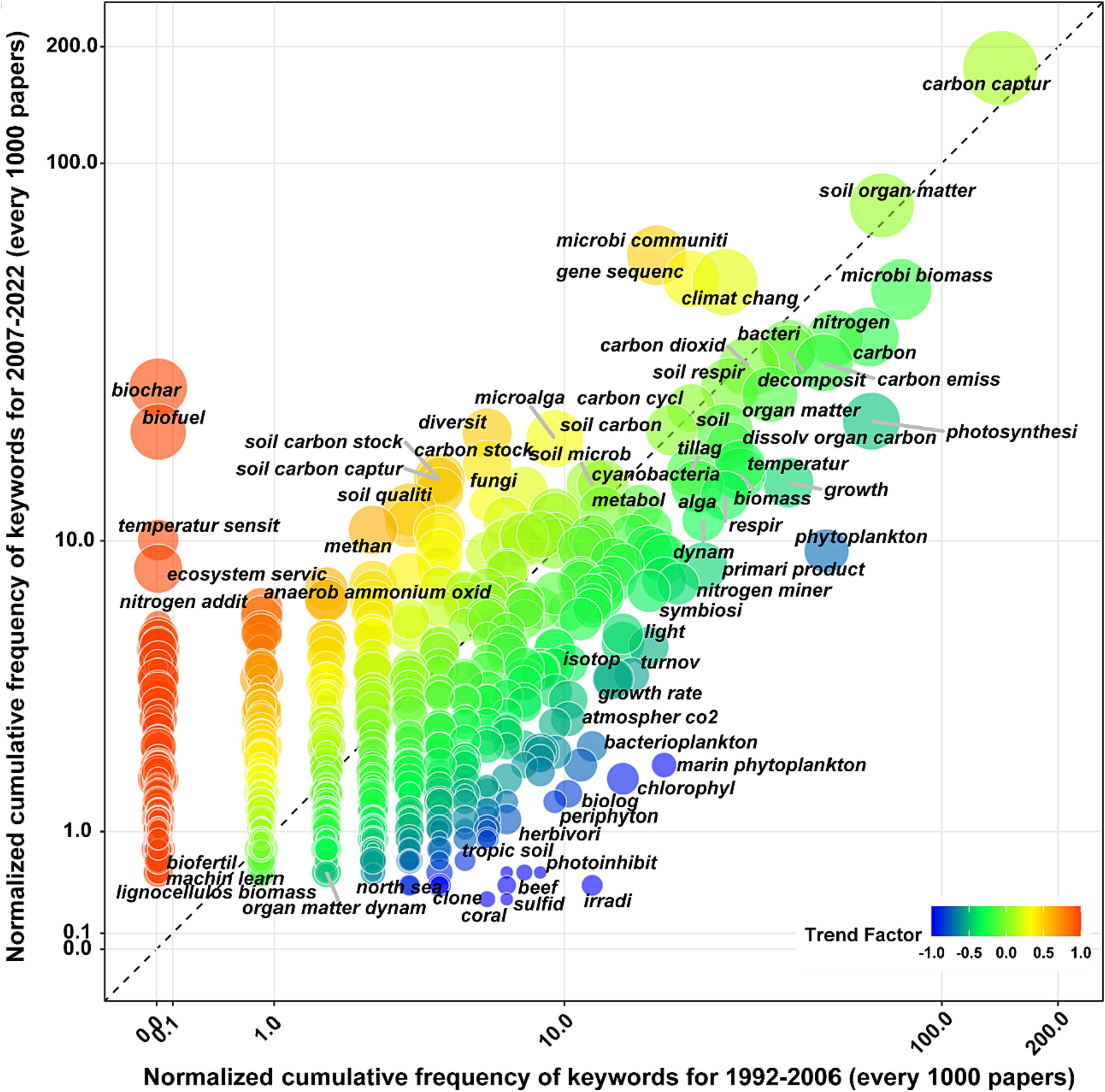
Microbial carbon capture - Evolving trends, interconnections, and recent spotlights of the past three decades. Chemical Engineering Journal https://doi.org/10.1016/j.cej.2024.148970 (Published 22 Jan 2024; Submitted 15 Nov 2023) (JCR Q1, IF 15.1)
作者注:全球温室效应与气候变化加剧导致碳捕集研究领域持续受到高度关注。本文基于Web of Science核心数据库中收录的数万篇文献,首次采用文献元数据爬取、关键词预处理、大数据统计分析、关键词共现分析与数据可视化方法,对全球碳捕集研究领域过去30年内发表的共65509篇文献以及微生物碳捕集子领域中的11,430篇文献进行了深度梳理,并提炼出关键信息,包括:核心子领域、重要趋势、长期热点与新兴热点、新的研究方法等。
韩杰 王超琦 等. 全球气候变化之下,中国“海绵城市”可缓解城市洪灾与水资源短缺
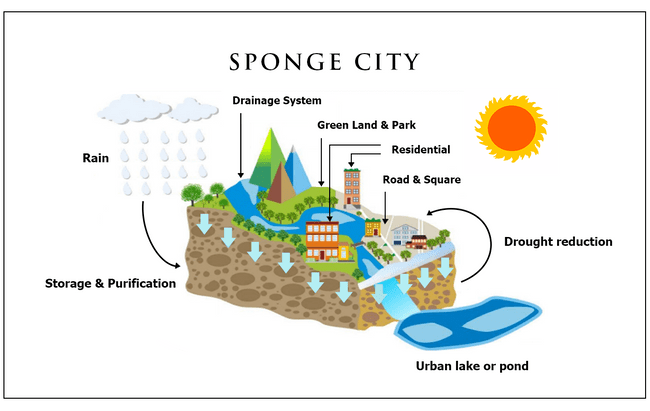
China’s sponge cities alleviate urban flooding and water shortage: a review. Environmental Chemistry Letters https://doi.org/10.1007/s10311-022-01559-x (Published 2 February 2023; Submitted 18 May 2022) (JCR Q1, IF 15.7)
韩杰 等. 尘土飞扬之春:2021年东亚沙暴与蒙古国生态修复的紧迫任务
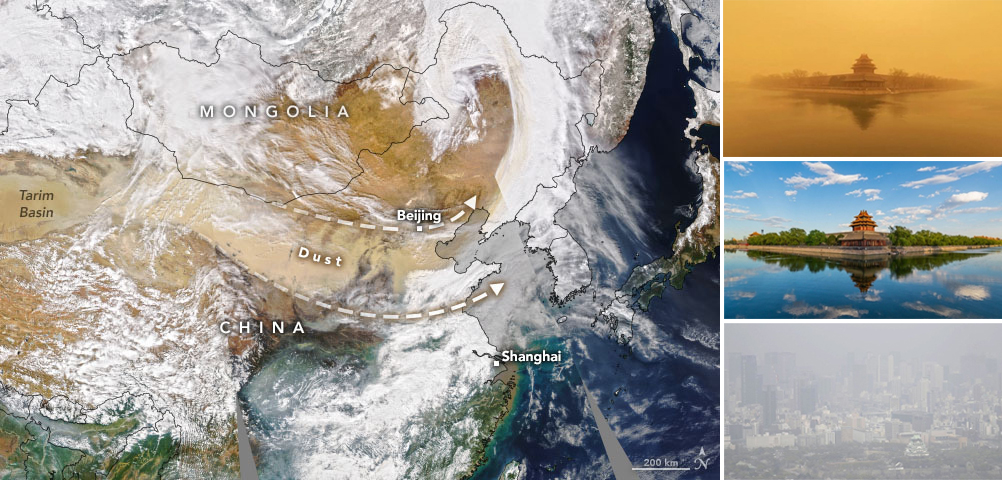
(Preprint version) The Dusty Spring: 2021 East Asia Sandstorm, Trans-Regional Impact, Ecological Imperatives in Mongolia. SSRN (Elsevier). http://dx.doi.org/10.2139/ssrn.3821645 (Date Written: 9 April 2021; Revised: 26 April 2021; Revised Again: 5 June 2021) PDF download
(Published version) Sandstorms and desertification in Mongolia, an example of future climate events.
Environmental Chemistry Letters. https://doi.org/10.1007/s10311-021-01285-w (Submitted: 18 June 2021; Published 24 July 2021) (JCR Q1, IF 15.7)
Christopher Nolan's 2014 blockbuster film, "Interstellar", depicted the dire consequence of widespread and accelerating desertification (screenshot below). This is happening for real in Mongolian Plateau —— a vast, landlocked region that is also one of the most severely impacted regions on earth by climate change.

From our article: "The 2021 East Asia sandstorm drew international attention to ecological issues that have been culminating for decades in Mongolia. Addressing these issues would require decades of collaborative efforts from climate, ecological, atmospheric and environmental scientists from its local and global research communities. In the renowned Mongolian folk song ‘The Night of Ulaanbaatar’《乌兰巴托的夜》, the songwriter painted the tranquility of life and picturesque landscape in Ulaanbaatar. It is now a matter of actions for its regulators, scientists, and residents to regain such lifestyles in the 'country of eternal blue sky'."
作者注 (Authors’ Note): Mongolia is one of the countries that are most vulnerable to climate change. In the last few decades, the landlocked country has battled against severe, recurring droughts and vast, increasingly frequent sandstorms. An international group of climate scientists recently securitized heatwave and soil moisture records from local tree ring data, and found that the recent consecutive years of record high temperatures and droughts in Mongolia were unprecedented in over 250 years (Zhang et al. 2020, Science. 1095). The study also found that record high temperatures in the region are accelerated by soil drying which, in turn, allows direct heat transfers to air due to the lack of moisture kept in soils and cooling effects induced by evaporation. A positive feedback loop was thus created between soil moisture deficits - surface warming, which causes an abrupt shift to a hotter and drier climate in the region.
In an earlier survey, researchers found that more than a quarter of the lakes greater than 1.0-km2 in the Mongolian Plateau had disappeared between 1987–2010 (Tao et al. 2015, PNAS. 2281). Of those, 63 lakes (17.6%) in Mongolia had dried up, including 58 small lakes (1–10 km2), four medium-size lakes (10–50 km2), and one large lake with an area size greater than 50 km2. In a period of just over 20 years, the lake area in Mongolia diminished by 332 km2, representing 2.4% of the total lake area in the inland country.
On an even longer timescale, the annual reconstruction of the Palmer Drought Severity Index (PDSI) spanning over a course of 2060 years showed that recent extreme drought observed on the Mongolian Plateau were highly unusual, which exceeded a 900-year return interval (Hessl et al. 2018, Sci. Adv. e1701832).
Both the magnitude and pace of those recent changes promoted warnings that the semi-arid region may have entered a new climate regime, in which soil and surface water could no longer mitigate high temperatures and provide adequate precipitation, a failure that can have devastating consequences on the country’s agricultural sector.