
To me, the whole idea of ‘Planetary Environmental Engineering’ started in 2016. I first brought up this idea with my research associate in 2019. And again in May 2021, when a student came over, with excitement in her eyes, and talked about 'space debris'.
The first time I read about 'terraforming’, I found it mind blowing. The whole idea kept me excited for the rest of that day, and I read nothing else but that, for a few hours straight. Those who thought about this idea were true pioneers of the humankind. I’m deeply humbled by their vision and imagination.
I feel now it is the time for us to, at least, start our conversations on this futuristic yet deeply intriguing topic.
Here is a collection of our thoughts and ideas, in no particular order. As of now, we don’t have anything published yet, but we are hoping to do so over the next few months.
Let’s start from space debris (space junk).
***
If aliens want to visit earth, they would have to go through our trashes first.
We live in an era where humans can ‘engineer’ just about anything. The term ‘environmental engineering’, literally, means crafting a desirable environment for humans to live in. The most sophisticated task for environmental engineers, therefore, is to build a new ecosystem on a new planet, for humans to live in.
Environmental engineering may, one day, take the central stage of all engineering disciplines because it - once we take it to the space - enables humans to take possession of one thing that they have thirsted and fought each other for thousands of years – new land.
Environmental engineers have spent much efforts on remediating, but much less on creating. Terraforming is the future – and perhaps the ultimate – goal of studying environmental engineering.
Why do we have to accept the fact that Earth is our *only* home? The whole universe is out there for human exploration.
Terraforming isn't about finding a new planet and abandoning our junk-filled earth, or having a backup if earth is destroyed or becomes inhabitable. It's about finding some other interesting places to go. Earth is great and we humans can keep it great.
Here is the question we hope to answer through Planetary Environment Engineering: Can we install a new ecological system on a new planet for human habitation?
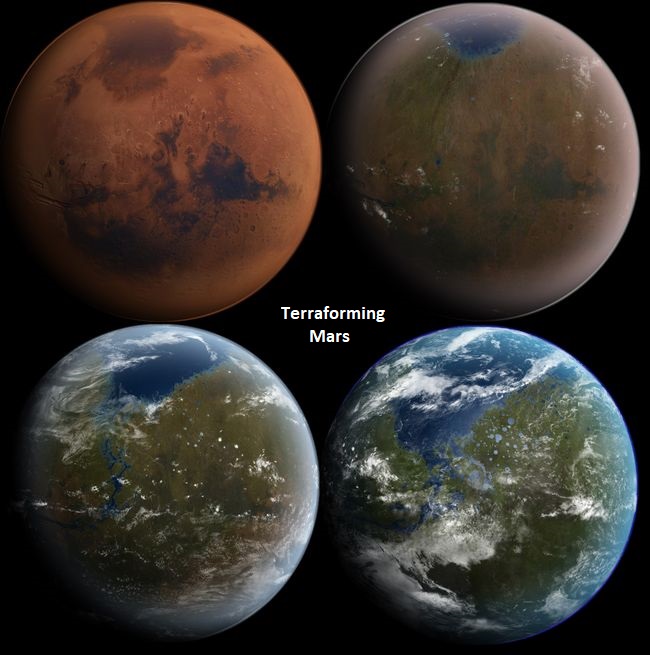
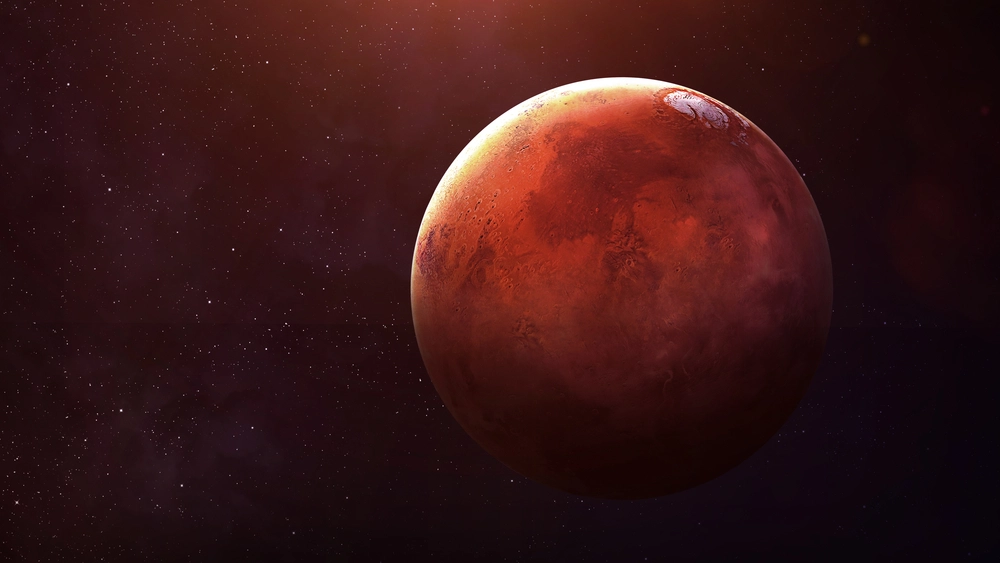
If the earliest life forms on earth were microbes, can we engineer some hardcore microbes and seed them all over Mars to terraform the planet?
Engineering an ecosystem on a new planet may prove more realistic than finding an earth-like planet in a distant galaxy. The universe is mind-blowingly vast: we either have to find some 'wormholes' or travel near the speed of light just to get there.
Let's hope we don't need a visa to go to Mars.