教授 博士生导师 硕士生导师
..............................................................................................................................................................................................................................................................................................
►主持国家重点基础研究发展计划(973计划)“有机/无机保护材料的设计与功能实现”,2012-2016。
►主持国家自然科学基金面上项目“含氟聚合物/SiO2杂化材料的制备及其涂膜疏水性能和粘接性能的研究”,2014-2017。
►主持国家自然科学基金“可控结构含氟丙烯酸酯共聚物的合成及成膜自组装行为研究”,2011-2013。
►主持国家自然科学基金“含氟聚合物保护砂岩文物的研究”,2005-2007。
►主持国家自然科学基金国际合作交流项目“现代化学技术与文化遗产保护国际会议”,2012.1-2012.12。
►主持国家科技部子项目“古代建筑琉璃构件原位保护材料及技术研究”, 2007-2009。“古代丝绸保护研究”,2004-2007。
第二人完成国家科技支撑计划子项目“中华文明探源及相关文物保护技术研究”,2010-2012。
►主持陕西省国际合作项目“古代彩绘无损与原位分析关键技术研究”,2014-2015。
►主持国家文物局科研项目“不可移动砖石类文化遗产保护材料共性与相关科学问题研究”, 2011-2013。
►主持其它横向课题8项。
►作为技术骨干参加2项国际合作项目
....................................................................................................................................................................................................................................................................................................................
1. 含氟硅功能高分子材料、结构可控杂化材料及其自组装高性能涂膜材料
Fluorin/silicon-containing functional copolymers, structure-controllable hybrids and their self-assembly behavior for high performance coatings
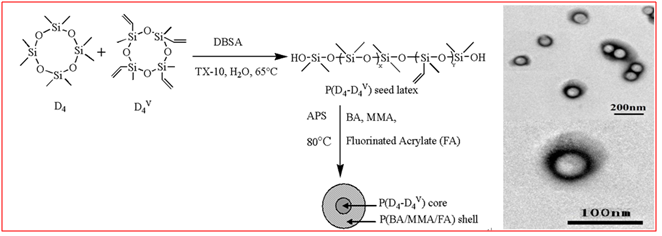
1) Fluorinated acrylic copolymers (FACs) has become a focused point in high-performance coating materials
due to their excellent surface properties of fluorine-containing polymer and favorable adhesive strength to the
substrate of acrylate polymer. The low free energy surface of FACs could be obtained by controlling the surface
chemical composition and by the self-assembly behavior. The aim of research is to synthesize FACs with core-
shell structure by emulsion and block structure by ATRP or RATF with well-defined chemical structure and tailored properties, and to investigate their possible self-assembly behavior in film-formation.
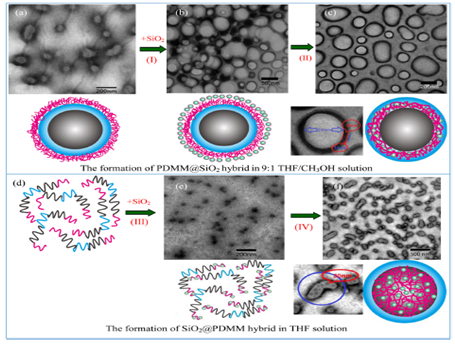
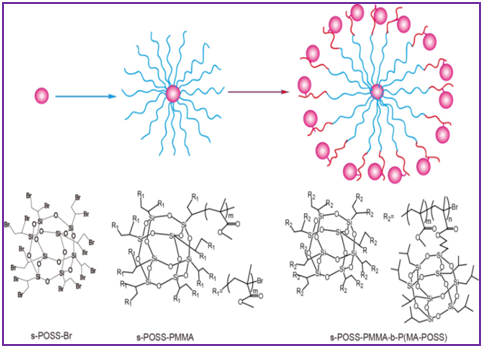
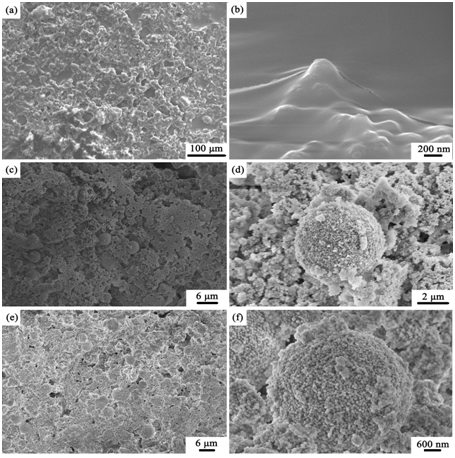
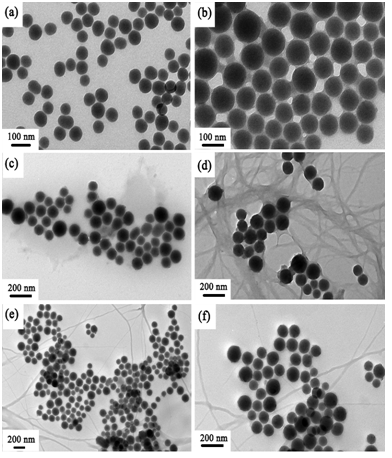
copolymers (SCPs) and SiO2. FPs/SiO2 or SCPs/SiO2 film in micro/nano hierarchical morphology (high roughness)
and self-migration into top surface of fluorinated groups or silicon-contained groups (low surface free energy) have
make it possible to obtain excellent water and oil repellence and the strong adhesion to the substrate. The aim is to investigate the hydrophobic and adhesive properties of FPs/SiO2 or SCPs/SiO2 nanohybrids synthesized by ATRP/
sol-gel and SI-ATRPATRP techniques, to regulate the distribution of aggregated micelles by self-assemble behavior
as the micro/nano hierarchical morphology of film surface.
2. 复杂体系及天然高分子化合物的识别与检测分析
The characterization of natural polymeric compounds and complex system
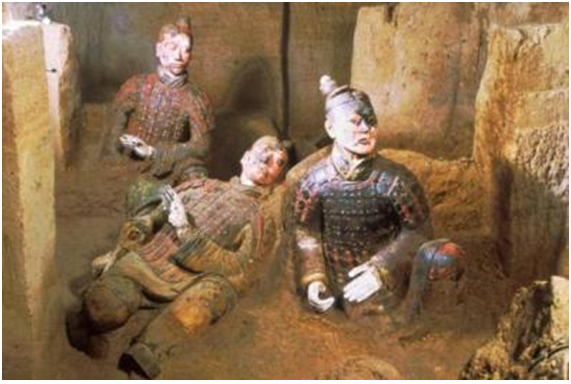
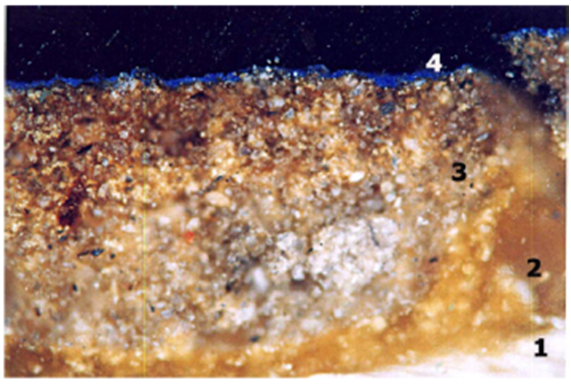
Normally, the polychromy is made of pigments and natural polymer as binding medium. The binding medium
plays a key role in the polychromy for fixing the pigments onto the substrate supporter to form the painting layers.
However, the binding medium is easy to be deteriorated with time to cause the damage or extinction of the precious polychromic artworks. But the preciousness and non-reproducibility of ancient polychromy, and the lack of targeted
analytical methods, the limitation of pertinence identification system and standard references, have made the identification
of binding medium and pigments very challengeable. Therefore, it is necessary to improve the effective and feasible
analytical methods and techniques. The study aims to research the nondestructive and in-situ detecting techniques, the
suitable and accurately spectrum database and microanalysis recognition system. The research is focused on:1).
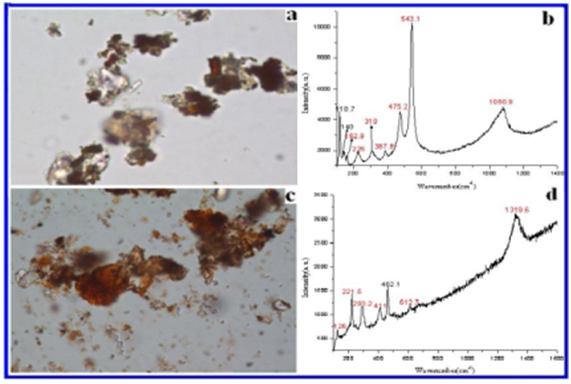
Establishing the targeted analytical methods and the spectrum database by ATR-FTIR, RS and XRF nondestructive techniques for
recognizing the pigment and binding medium; 2). Developing the microanalysis methods and recognition system for identification of binding medium by GC/MS and Py-GC/MS.

3. 文化遗产保护研究
Preservation of cultural heritage
The aim of this field is to preserve the nation’s heritage for future generations through innovative or modern analytical methods and programs.
1) Identifying materials by modern analytical methods
2) Recognizing ancient techniques
3) Fabricating and evaluating the protective materials